Genetic correction
Explore editing approaches designed around disease-causing DYSF variants, with performance evaluated for each target
ACGENE Lab is developing an in vivo therapeutic platform that integrates
LNP-based prime editing (PE) with next-generation gene-editing technologies
LGMD2B/R2 is a form of dysferlinopathy caused by disease-causing variants in the DYSF gene. This gene provides instructions for producing dysferlin, a protein that plays an essential role in repairing damage to the membrane surrounding muscle cells.
Without sufficient functional dysferlin, damaged muscle-cell membranes cannot be repaired effectively. Repeated cycles of muscle contraction can therefore lead to progressive muscle-fiber damage, inflammation, and muscle weakness. Our research focuses on correcting the underlying genetic variants and restoring dysferlin function to support normal muscle-cell membrane repair.
Explore editing approaches designed around disease-causing DYSF variants, with performance evaluated for each target
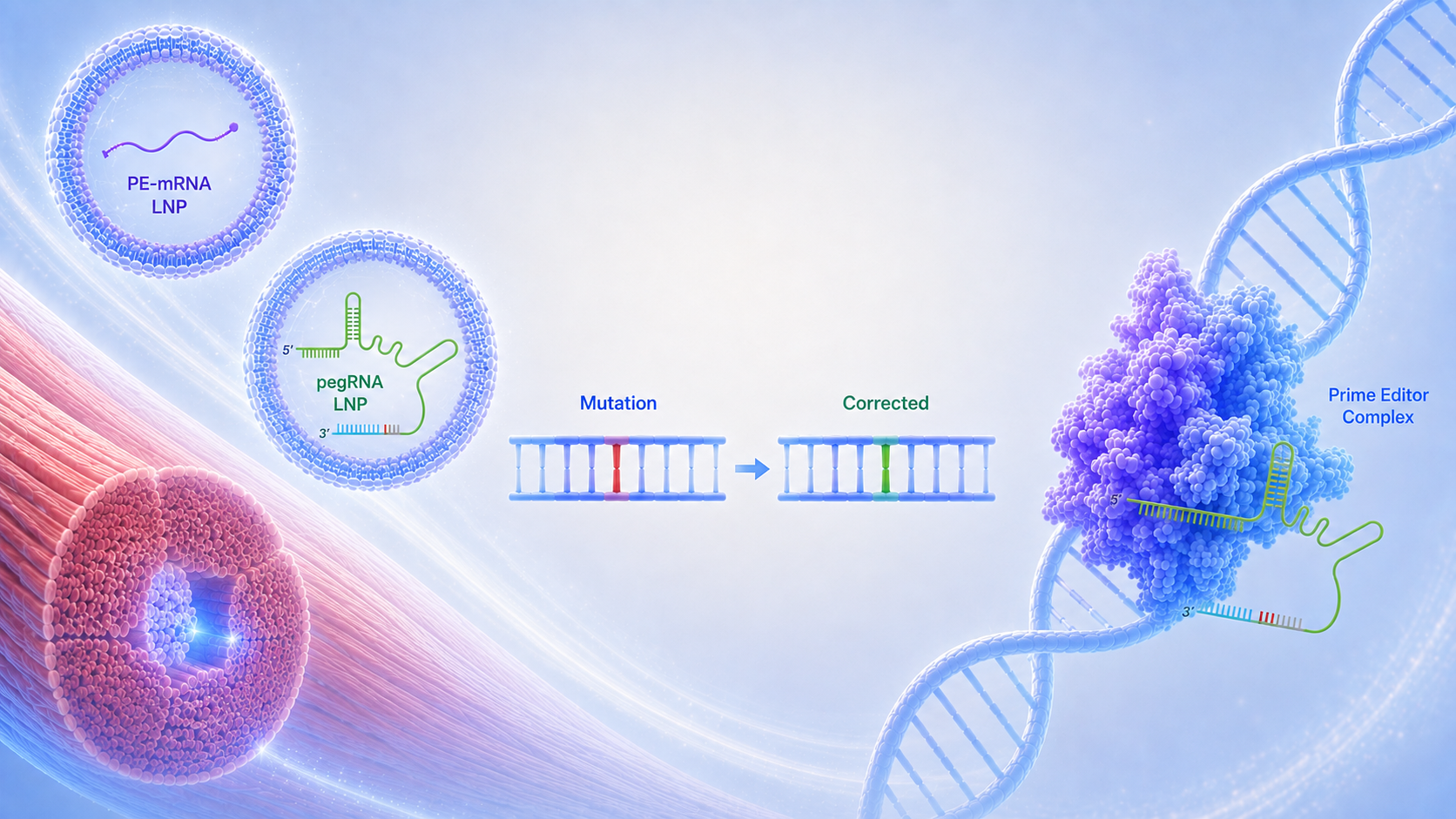
Develop LNP-based strategies to deliver prime editor mRNA and guide RNA to muscle cells, enabling precise correction of disease-causing DYSF variants
Define progress through DNA editing, dysferlin expression and disease-relevant cellular function
LNP-enabled prime editing is a current research foundation. Durable treatment, including the long-term possibility
of a one-time intervention, remains a goal requiring evidence of effective delivery, safety and lasting benefit.
Our mission is to contribute to the advancement of genetic therapies for LGMD2B/R2
that can provide lasting improvements in muscle function
LGMD2B/R2 presents a distinct research challenge: correcting disease-causing variants in the DYSF gene while achieving meaningful and lasting improvement in muscle function.
Our research brings together prime editing, LNP-mediated delivery, safety assessment, and functional evaluation with the goal of correcting disease-causing variants in the DYSF gene, restoring dysferlin expression, and improving muscle-cell membrane repair.
By maintaining a dedicated focus on LGMD2B/R2, we aim to evaluate genetic correction, delivery efficiency, safety, and biological function as parts of a connected research strategy. This disease-centered approach guides our efforts to advance durable therapeutic strategies.
Our approach combines non-viral delivery with adaptable gene-editing strategies,
allowing the platform to incorporate new technologies as the field advances
Our long-term strategy is to build an adaptable in vivo platform for LGMD2B/R2 rather than anchor the program to a single gene-editing technology
Today, LNP-enabled prime editing provides a foundation for platform development As new precise editing systems and delivery technologies emerge,
the platform is designed to evaluate and integrate approaches that may improve targeting, editing performance, and therapeutic durability
Lipid nanoparticles provide a modular route for delivering RNA-based editing components in vivo with transient expression of the delivered editing machinery
Prime Editor mRNA and pegRNA form the core of our current editing strategy, supporting programmable correction without requiring a double-strand DNA break
The platform is intended to evolve as next-generation gene-editing systems, targeting methods, and delivery technologies advance
This simplified workflow illustrates a separate-LNP delivery concept for Prime Editor mRNA and pegRNA. It shows the intended sequence of events, not a measured outcome.
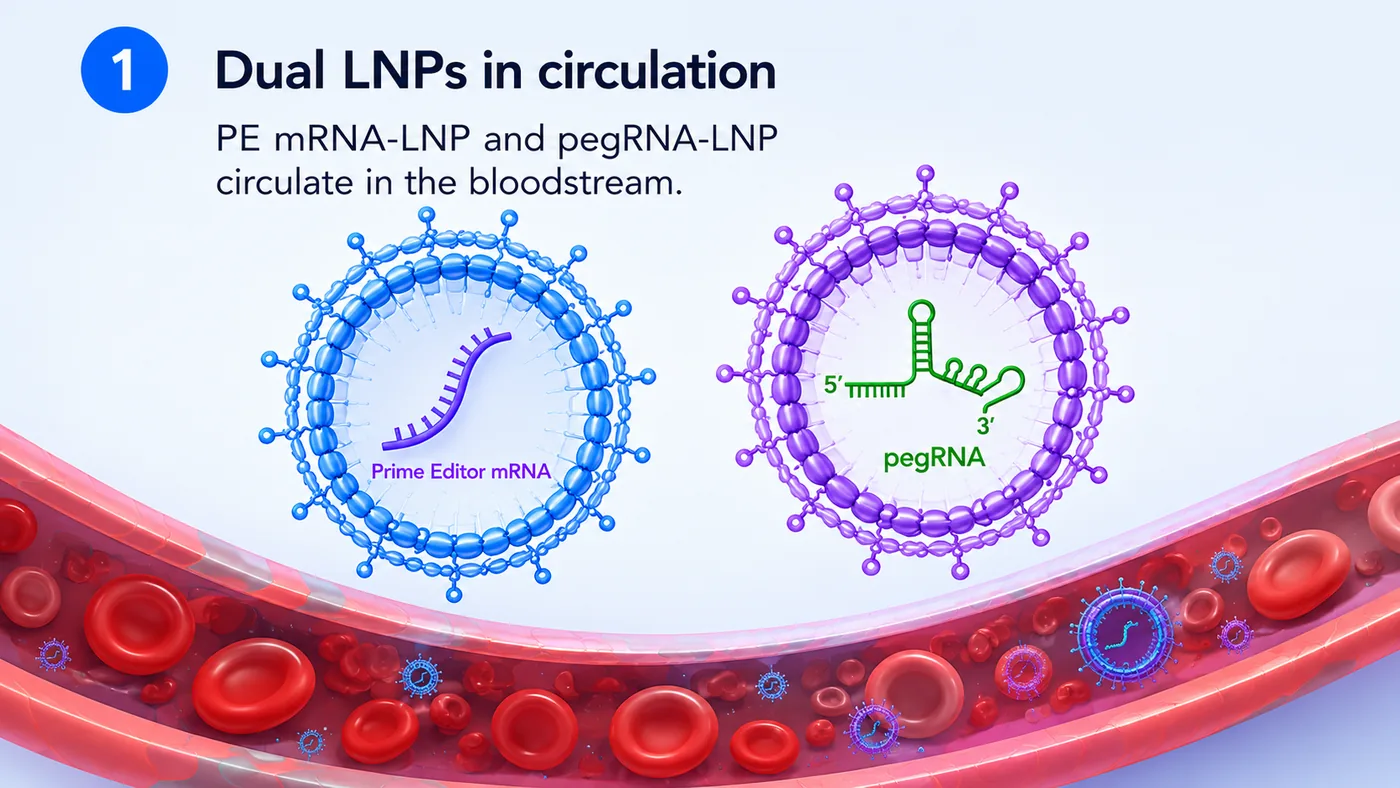
PE mRNA-LNP and pegRNA-LNP circulate as separate RNA cargo carriers
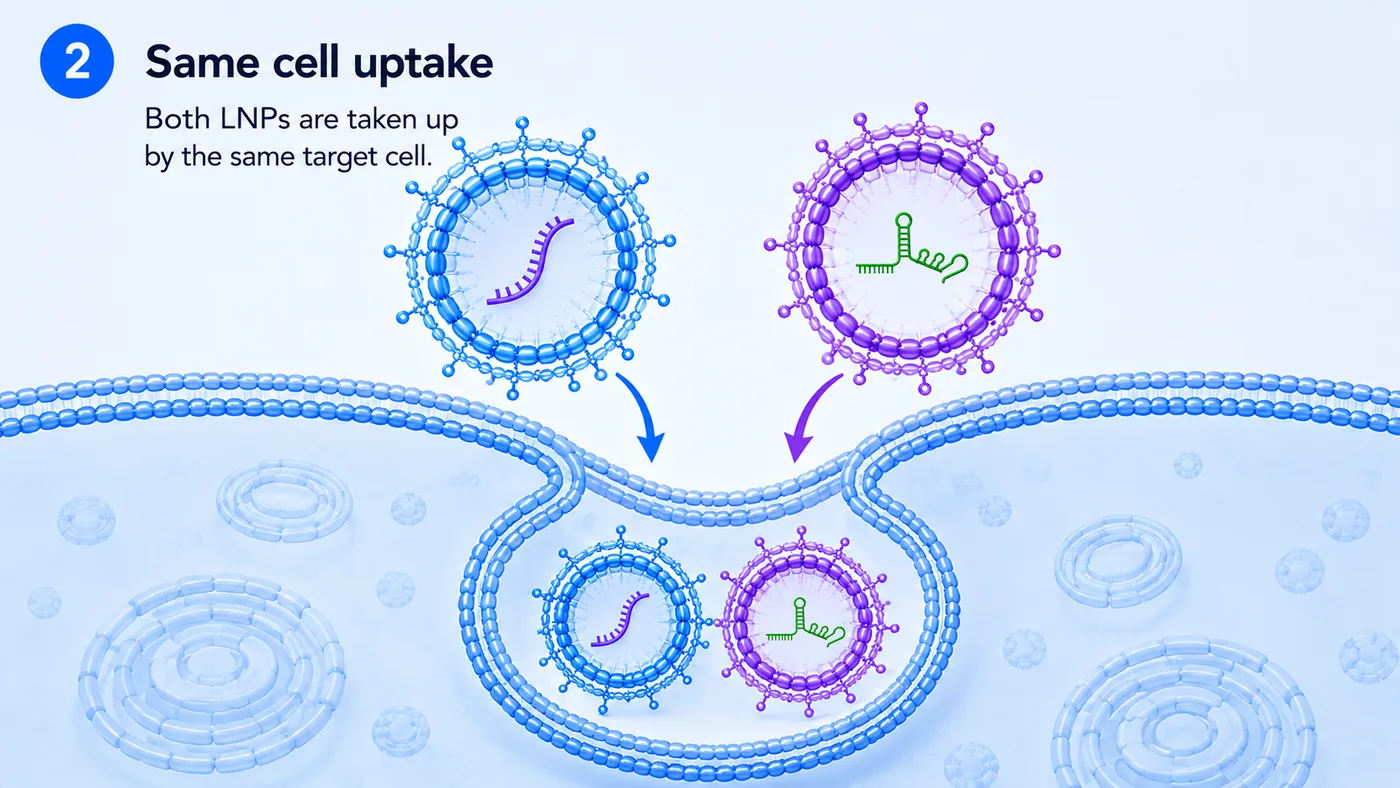
Successful editing requires both RNA cargos to reach the same target cell
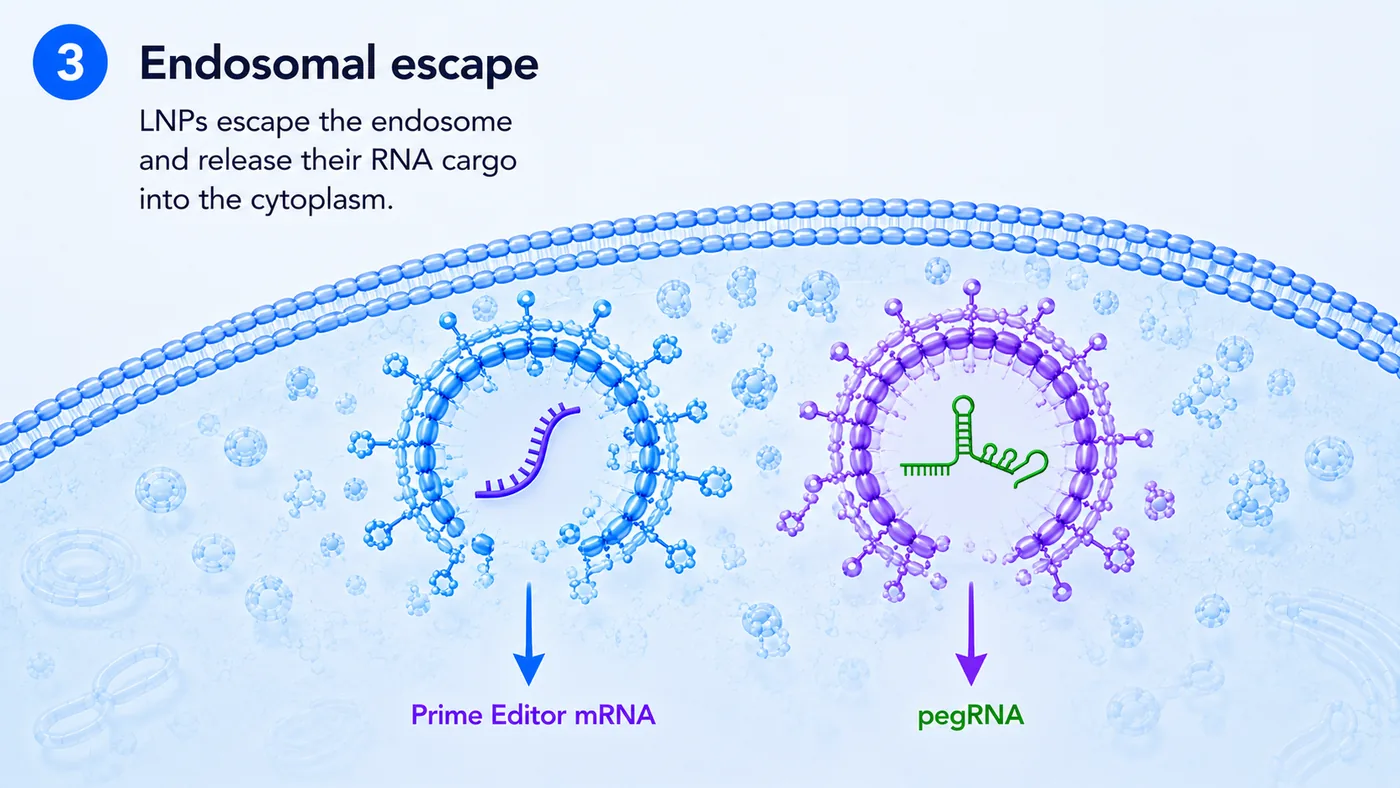
The LNPs release Prime Editor mRNA and pegRNA into the cytoplasm
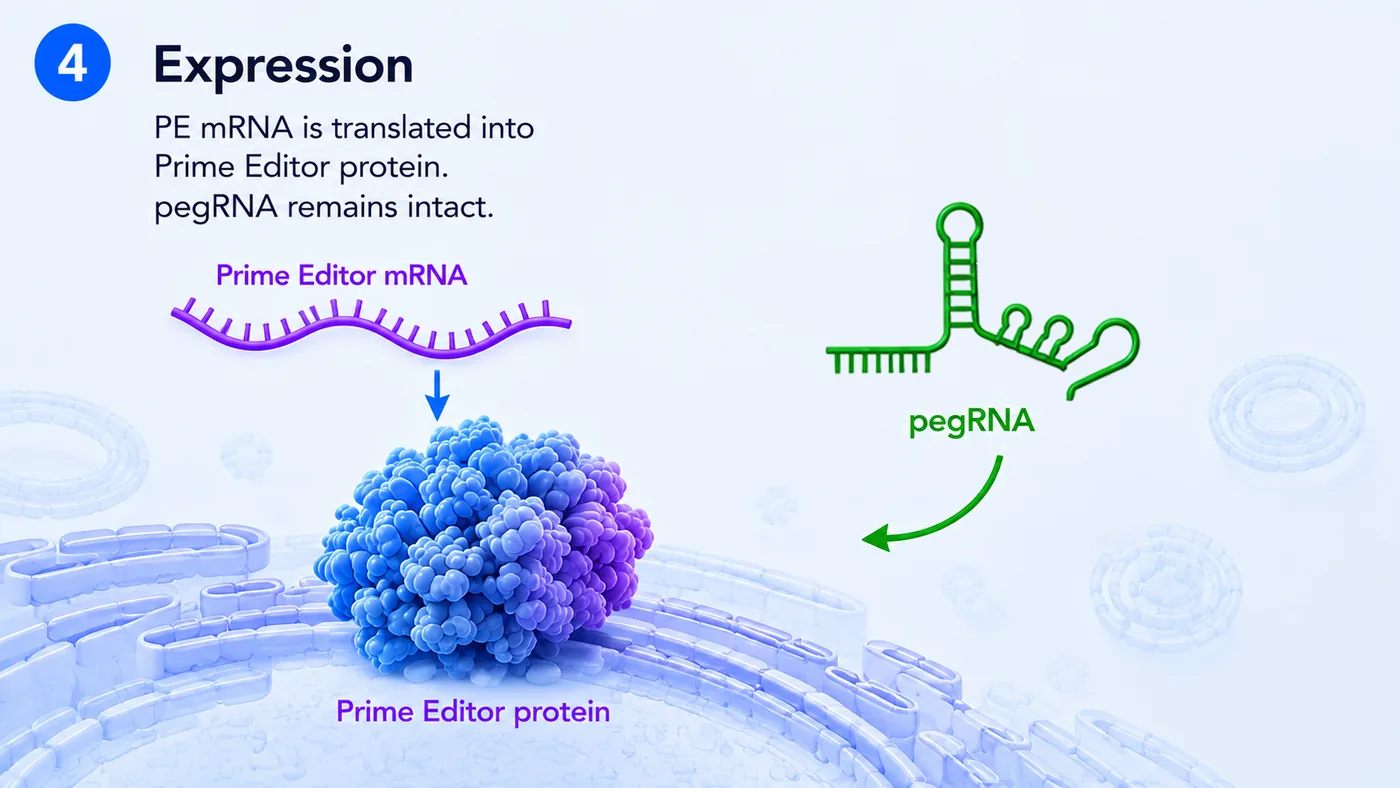
Prime Editor mRNA is translated into Prime Editor protein while pegRNA remains available

Prime Editor protein and pegRNA assemble into a functional ribonucleoprotein complex

After nuclear entry, the editing complex recognizes the target DNA specified by the pegRNA

Prime Editor writes the programmed sequence change using the pegRNA template
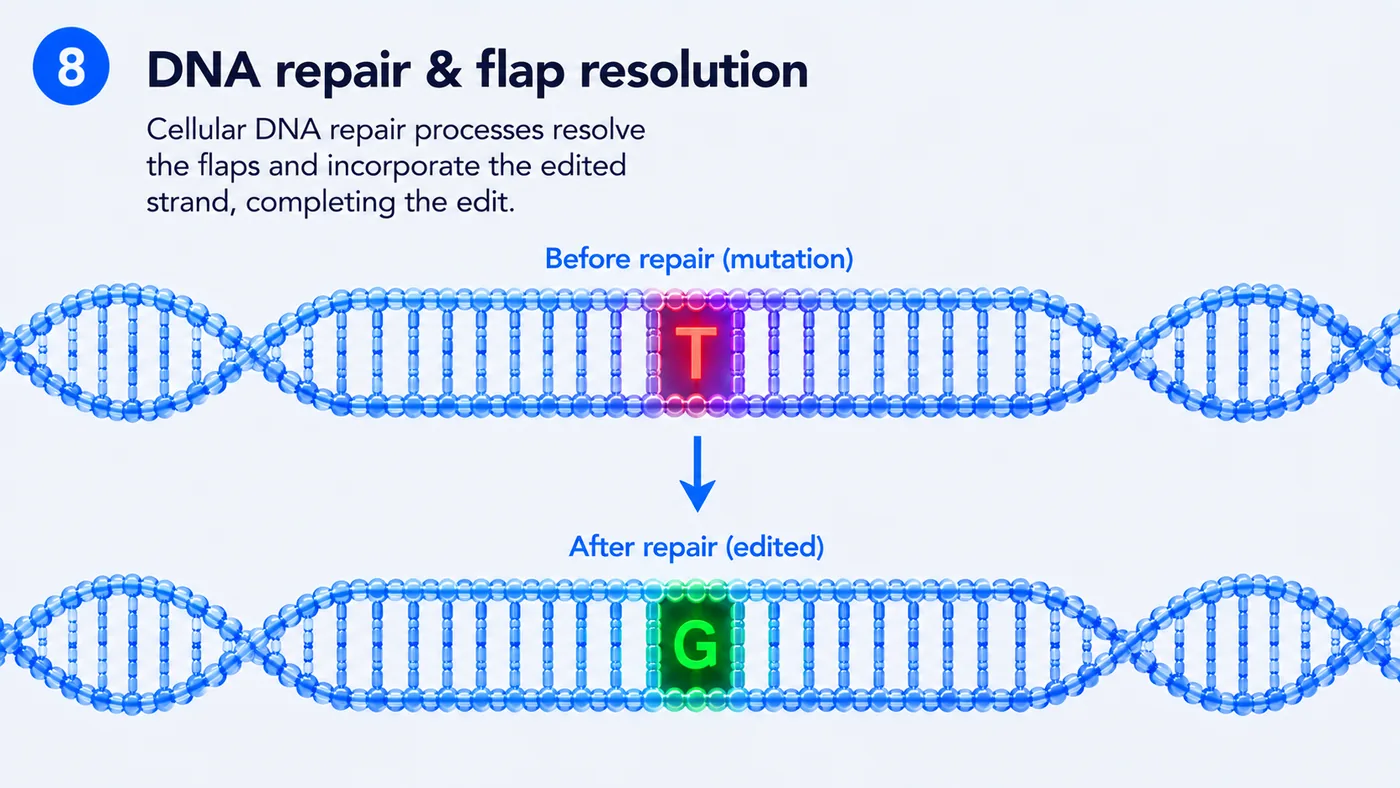
Cellular repair processes resolve the edited intermediate and incorporate the edited strand
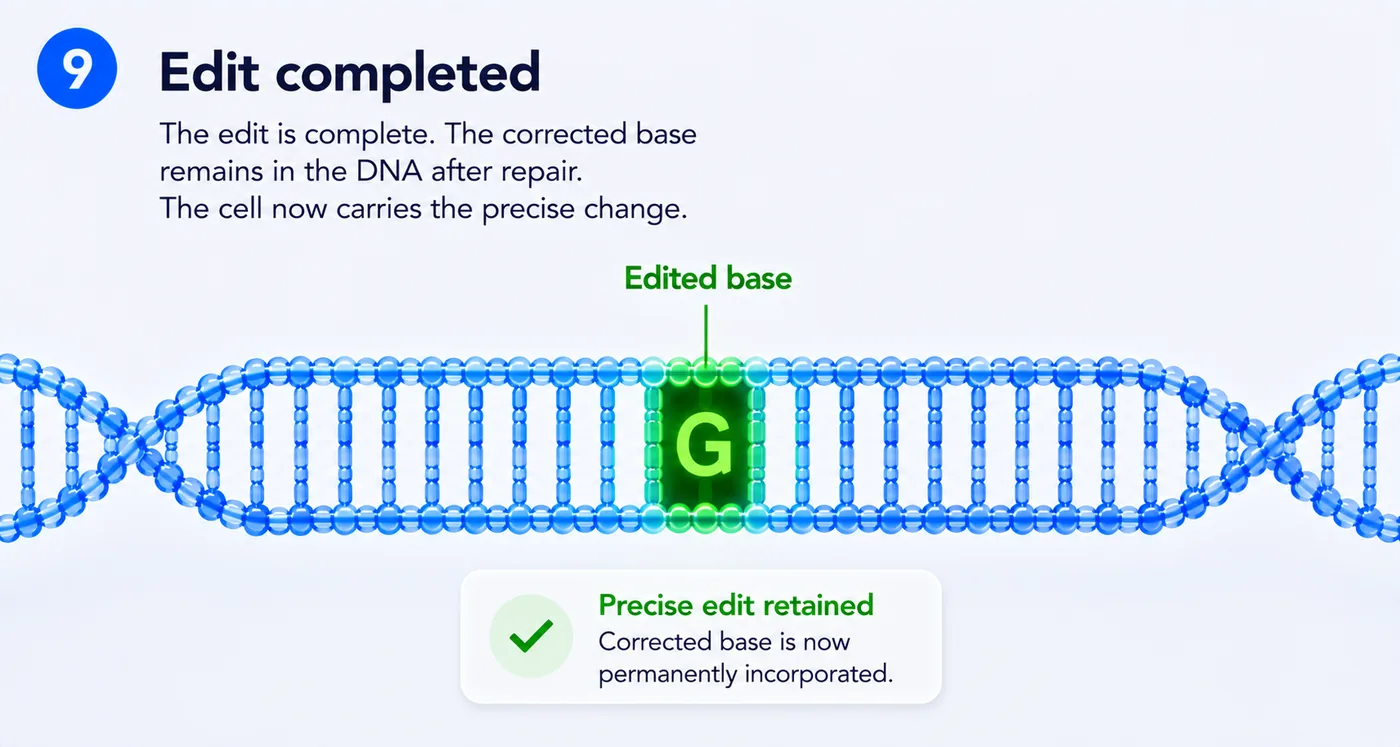
Successful repair retains the intended DNA change; editing outcomes require experimental verification
Conceptual research illustrationThe broader ACGENE Lab platform is designed to extend beyond a single editing modality as gene-editing and delivery technologies continue to advance
PE-LNP is a current foundation—not the endpoint Our research framework is intended to evaluate and integrate advances in delivery and gene editing that may strengthen the path toward durable treatment strategies for LGMD2B/R2
Connect with ACGENE Lab about scientific collaboration, research partnerships,and shared efforts toward durable LGMD treatments.
Please include your name, organization, area of interest and a brief description of your proposal.
For donation-related questions, please include “Donation inquiry” in your email subject. Patients and families are welcome to ask about our research; this contact is for research information and does not provide clinical care.
Your support helps ACGENE Lab pursue gene-editing research and delivery strategies toward durable treatments for LGMD2B/R2
Progress in genetic medicine depends on carefully designed experiments and the resources to evaluate them. Contributions support the laboratory tools, materials and scientific work needed to investigate LGMD2B/R2 research questions.
Donations help support the research tools, laboratory resources, and scientific work needed to advance our therapeutic research
ACGENE Lab is a nonprofit biomedical research organization. Contributions may be tax-deductible to the extent permitted by law
Choose the option that is most convenient for you

ACGENE LAB A CALIFORNIA NONPROFIT ORGANIZATION is a nonprofit public benefit corporation organized in California and recognized by the IRS as a tax-exempt organization under Section 501(c)(3) of the Internal Revenue Code
Contributions are tax-deductible to the extent permitted by law
EIN: 87-4778599